


Image: vecteezy.com
For years I kept a small cartoon character on the wall of my company, Big Muse. I had drawn him during a workshop as a mascot for creativity—round head, nervous grin, eyes slightly too alert for comfort. I called him MARV, which sounded friendly enough, but the letters didn’t stand for anything. People would ask what MARV meant. “I have no idea,” I’d say.
At some point I decided this was no longer acceptable. If the little guy was going to represent a company devoted to creative thinking, he deserved a proper identity. I attacked the problem the way I used to attack most problems: with excessive determination. I made lists. I asked friends. I searched through books of quotations and business jargon. This was before AI, so there was no machine to outsource the trouble to. It was just me and my overwrought brain, trying to batter down a wall with the tip of a pencil. The more I thought, the worse it got. Every idea sounded like a lame corporate slogan printed on a stress ball.
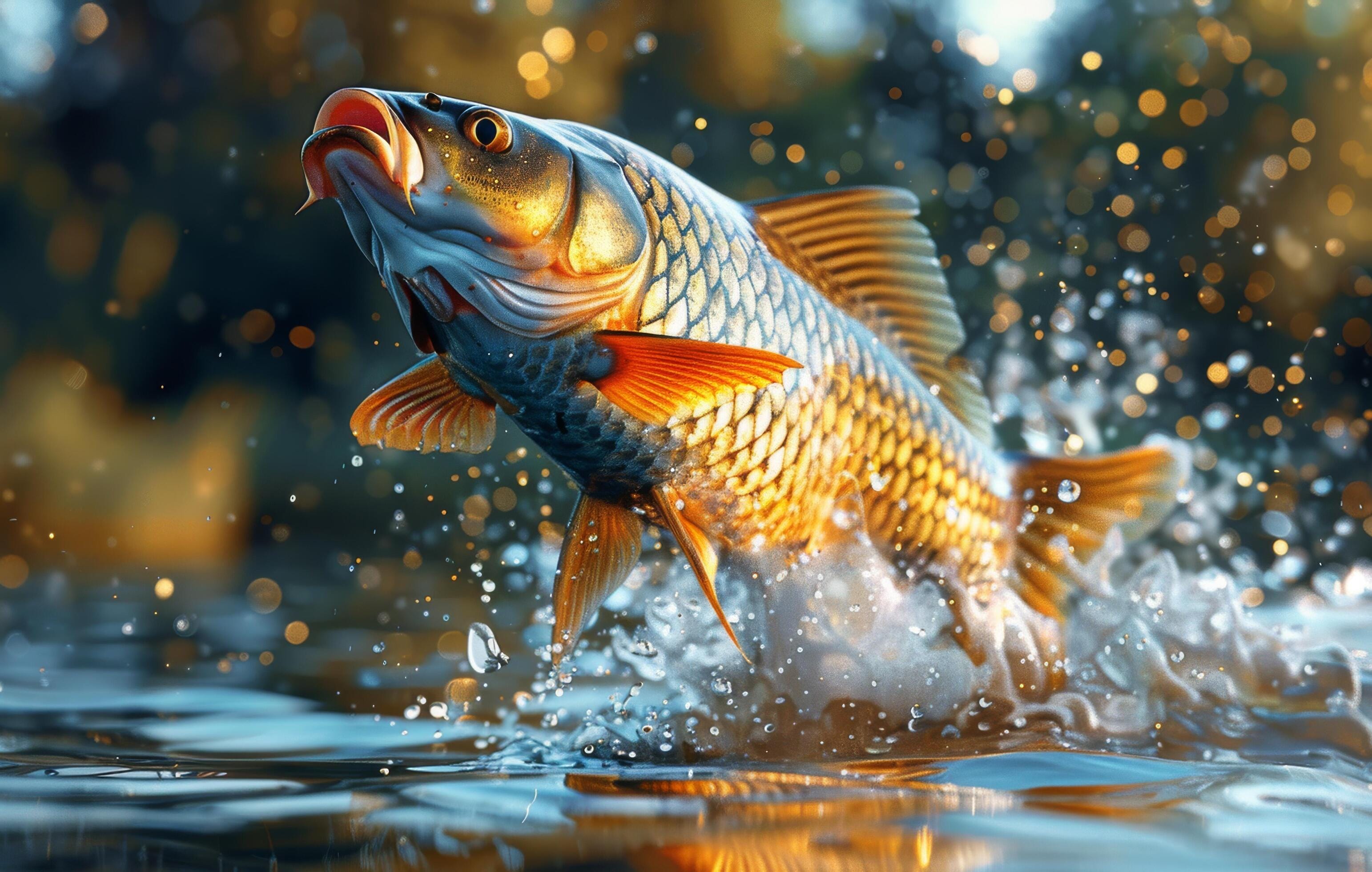
That year I was doing a fellowship at the Kellogg School of Business at Northwestern, in Evanston, right on the edge of Lake Michigan. One afternoon I had half an hour before my next lecture. I shut off my phone and wandered toward the water. The lake was beautiful, calm. Massive carp, dozens of them, were leaping out of the shallows under a bridge. I couldn’t stop looking at them. Acronyms were, thankfully, the last thing on my mind.
And then, without any “thinking” at all, the answer arrived: MARV—Majorly Afraid of Revealing Vulnerability. It was so obvious. Why hadn’t I seen this earlier? That phrase became the backbone of a book and a teaching tool I’ve used around the world. More important, it left me with a question that has followed me ever since: Why does not-thinking so often solve what thinking cannot?
The Problem With Too Much Brainpower
Most of us were raised on the myth that creativity is an act of muscular intellect: concentrate harder, grind away until the answer surrenders. But the mind doesn’t work like a crowbar. It works more like a field. Most seeds sprout when you stop trampling them.
Cognitive scientists describe two broad modes of thought. The first is focused attention—useful for balancing a checkbook or assembling IKEA furniture. The second is diffuse attention, the wandering state the brain enters during walks, showers, or long drives. In that relaxed mode the brain’s “default network” becomes active, linking distant ideas that would never meet in a boardroom.
It turns out that insight, like jazz, requires a loose and supple mind.
That afternoon by Lake Michigan my brain wasn’t idle; it was reorganizing in the background. Freed from the pressure of performance, it could finally connect vulnerability—the thing most of us fear—with the engine of creativity. The carp did the thinking for me.
Sweat First, Think Later
I’ve learned to respect the body as a collaborator in ideas. For deep answers, the most reliable tool I own isn’t a computer—it’s a pair of running shoes.
Exercise floods the brain with dopamine and norepinephrine, chemicals that sharpen attention and lift mood. It also increases BDNF, sometimes nicknamed “Miracle-Gro for neurons,” which helps the brain build new pathways. In other words: moving the body makes new thoughts possible.
There’s a psychological effect as well. Rumination needs stillness. The inner prosecutor that recites our inadequacies loses jurisdiction once the lungs start working. I’ve left the house convinced I had nothing to say and returned with a song. Creativity is physical long before it is intellectual; you move yourself into a different argument.
Tell the Truth on Paper
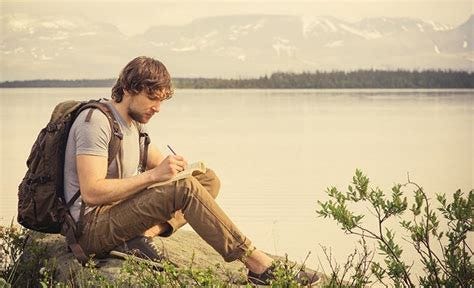
Image: app.3blmedia.com
Another unlikely engine of invention is honesty. When I can’t make art, I try to write something dangerous instead—a letter I’ve avoided, a confession I’d rather not admit.
Researchers call this expressive writing. Studies show that translating emotion into language reduces stress hormones and frees cognitive resources. Chaos becomes narrative; the brain shifts from alarm to meaning. Every worthwhile creation begins with that same gamble: revealing what we would prefer to hide.
MARV, after all, was born from the recognition that most of us are majorly afraid of revealing vulnerability. Creativity asks us to do it anyway.
Borrow a Bigger Sky
The natural world performs a quiet miracle on the self. Psychologists studying awe find that wide horizons shrink the ego and enlarge curiosity. Standing near water, under trees, or simply beneath an open sky moves the mind from “me” to “we.” You don’t need to be in a special place. Even decaying pavement and a poorly designed apartment building have their own beauty.
It’s not wrong to think of leaving the house as a theological act. You place your private emergencies inside a larger story, wherever they are. On the days I believe I’m out of gas, the pelicans continue to execute flawless formations over the Pacific, flying without consulting me. The nerve of those birds! Perspective returns. The voice of “you can’t do this” loses its PA system.
Starve the Comparison Machine
The enemy of all this is the glowing rectangle that sells us other people’s victories. Social scientists call it upward comparison, and it reliably drains motivation. We measure our unedited lives against curated highlight reels and conclude we are defective.
Have you ever seen a group of models without their makeup? I have. In my early twenties I got a job composing avant-garde music for a well-known designer. Backstage with the models—many in various stages of undress, not to my dismay—they were certainly not ugly. But they were nothing like they appeared in photographs or under stage lights. All is not what it seems, and the fictions thrown our way, hour to hour, minute to minute, have a deleterious effect on our psyches and on our ability to think freely.
Silence is not a luxury for creators; it is a nutrient. Escape is not escapist. Ideas grow in the dark the way roots do. Turn off the screens and give the brain a few unmonitored hours. The lake, unlike the internet, does not demand applause.
What the Walk Taught Me
That short stroll in Evanston changed the way I understand creativity. The acronym wasn’t a lightning bolt from heaven; it was the result of stepping out of my own way. Thinking had built the wall. Not-thinking opened a gate.
I don’t believe creativity requires confidence. It requires a small, stubborn mercy toward the version of ourselves that feels foolish, unworthy, less than. The work asks only that we begin—preferably after a walk, a sweat, a conversation, or a letter that tells the truth.
Whenever I see MARV on the wall, I remember the carp under the bridge and the absurd simplicity of the answer that arrived when I stopped trying to be clever.
All 50 States: A Passport to Your Mind: A new program for paid subscribers.
Each week, you’ll get a guided exploration of a single state of mind — from everyday states like focus, flow, and daydreaming, to deeper emotional, meditative, and contemplative states we all pass through in the course of a human life.
Think of it like a map + travel guide:
1. Clusters / Regions (like US regions):
Everyday States = “The Lowlands” (common terrain of life).
Emotional States = “The Heartlands.”
Meditative States = “The Mountains” (higher elevations of awareness).
Altered / Substance-Induced States = “The Islands.”
Mystical / Transpersonal States = “The Skies.”
Extreme / Edge States = “The Deserts & Depths.”
(If you’re already a paid subscriber and would like to receive the All 50 States email, click here).

Great piece. Regarding the two ways of thinking, in the language of the rabbis these are referred to as שכל ודמיון. This is how R. Israel Salanter puts it at the beginning of his famous Mussar Letter: "האדם חפשי בדמיונו ואסור במושכלו"