




Image: ru.freepik.com
We fear the stranger, yet we also find them endlessly fascinating, even romantic. Sociologist Georg Simmel argues that both reactions stem from the unique position of the stranger in relation to the mainstream culture. The stranger among us awakens what we now call the “moral imagination,” helping us become a more perfect union. And what often feeds this moral imagination? The answer is deliciously literal: food.
Simmel on the Stranger
Simmel’s stranger is not a fleeting visitor who passes through and becomes mere memory or legend. Instead, it is someone who arrives, stays, and lives among us—close enough for regular interaction, yet never fully “one of us.” We are us; they are them. Their different ways feel like a threat.
Simmel agrees the stranger poses a danger, but not to the culture itself. The real risk is to our thoughtlessness.
Growing up in a society means learning “how things are done.” We’re shown, schooled (formally and informally), rewarded for conformity, and punished for deviation. Over time, these habits become second nature—we stop thinking about them. We just do them.
The stranger does things differently. More importantly, we see them watching us. They weren’t socialized into our ways, so what feels natural to us is foreign to them. They observe our customs with an objectivity we lack.
When we catch their gaze, we sense we’re being judged for things we take for granted. Our usual answer—“Because that’s how it’s done!”—falls flat. The stranger demands deeper justification, one we may not have, or one that crumbles under scrutiny.
This forces us to confront hidden flaws in our ways. Change might be needed—but it would mean the stranger has changed us. That’s the rational threat they pose. The danger isn’t really from them; it’s from the mirror they hold up. Some blame the mirror and fear the stranger all the more.
Variety, the Spice of Life
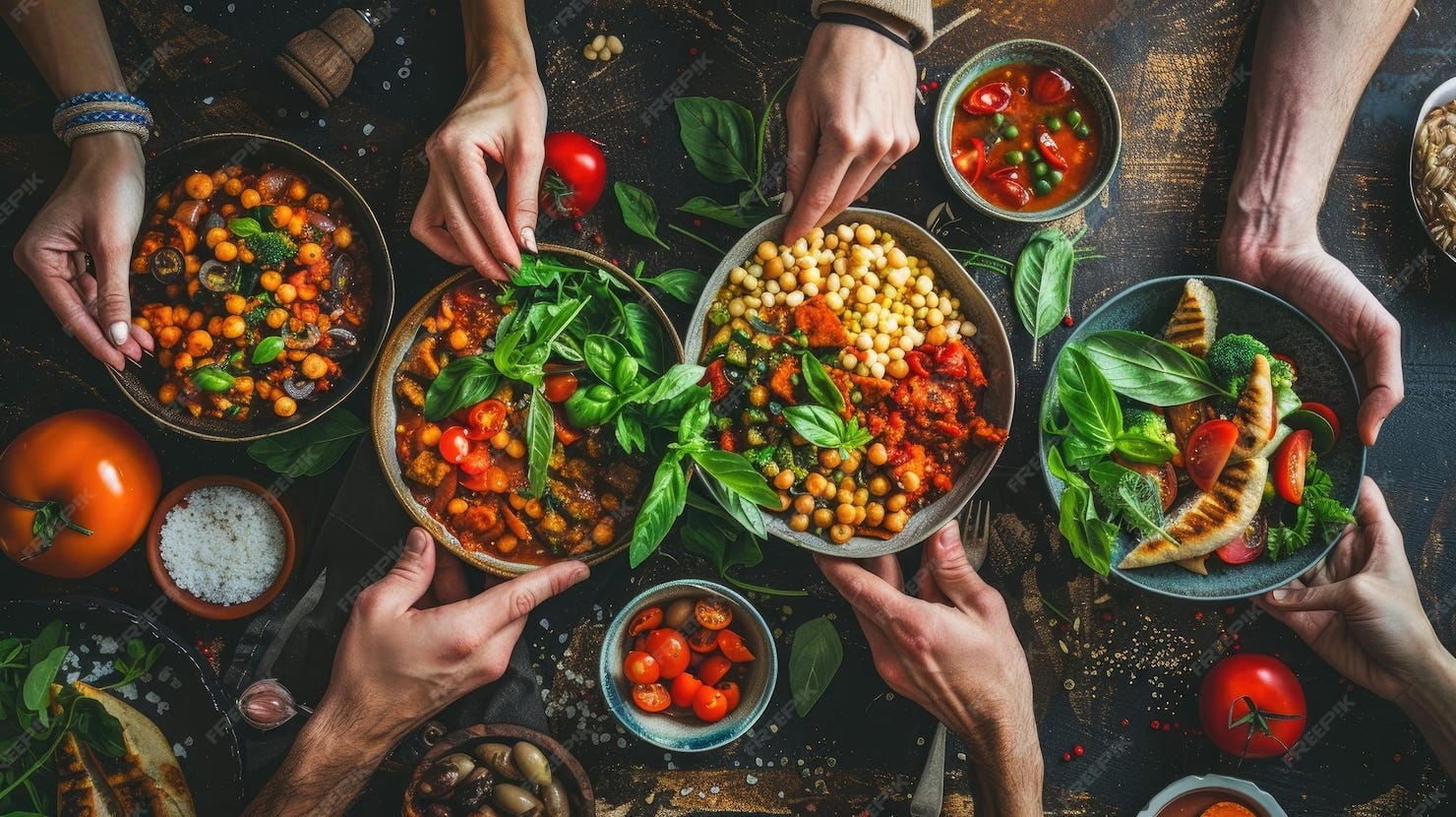
Image: freepik.com
Simmel notes that strangers appear in nearly every culture. Why? They’re useful. They bring something the majority wants or needs—often something novel. Societies already have their farmers, artisans, and laborers, but the stranger arrives with a bright, shiny new thing we suddenly can’t live without.
Historically, this often meant spices. Food is basic, but we don’t just eat to survive. We crave flavor, delight, the delicious. The stranger offers something alien yet enticing: different dishes, different utensils, new tastes.
Comfort food soothes us, but the promise of gastronomic pleasure sparks curiosity. “Ooooh, that smells good. What is it? Can I try? Wow. More, please—not too much. Oh, that’s plenty. What’s in this?”
By touching us at our most primal level, the stranger improves our lives.
The Moral Imagination
As the stranger sees us, we see them. They do things differently—ways we never imagined. As creatures of habit, we often mistake cultural practices for natural laws, as fixed as gravity.
Then we witness an alternative: another way, another social contract. What we thought necessary turns out to be arbitrary. Things could be otherwise. Suddenly, we ask: What is the best way?
This realization opens the moral imagination—the ability to envision worlds that don’t yet exist but could. Worlds where we treat each other differently, arrange power differently, treat fixed norms as live options for change.
Some thinkers, like Hobbes, see social arrangements as inevitable, governed by natural laws like physics. But history shows cultures choosing to transform themselves. We’re not just billiard balls with pulses. Imagining alternatives is the first step toward thoughtful debate and real progress.
The moral imagination sets out a menu of possibilities—a cultural smorgasbord. We no longer have to accept what’s served; we can order à la carte. Hold the pickles, hold the lettuce—change shouldn’t upset us. We can have it our way, without assuming “our way” must always mean “the old way.”
Eat the Change You Want to See
Change is scary. We can’t predict every consequence, and things work—at least for many who aren’t the stranger. Why risk a good thing?
But is it truly good? The moral imagination lets us ask. If the stranger frightens us, how do we spark that imagination? Start with a meal.
When their food joins our repertoire—when “What are you in the mood for tonight?” includes their cuisine—the stranger becomes less strange. Their dishes are tasty, so maybe their other ways aren’t so threatening. Begin at the most basic human act: eating.
Seek new cuisines. Try that new restaurant. Order something different. Start small. Normalize the strange through simple bodily joy. Fear is primal, but so is the pleasure of good food. Warm yummies can create warm fuzzies.
Science tells us the gut and brain are deeply linked. Even setting aside the microbiome, delighting the gut with unfamiliar flavors can open the mind to a better world—for us and for Simmel’s stranger.
Are you going to finish that?
All 50 States: A Passport to Your Mind: A new program for paid subscribers.
Each week, you’ll get a guided exploration of a single state of mind — from everyday states like focus, flow, and daydreaming, to deeper emotional, meditative, and contemplative states we all pass through in the course of a human life.
Think of it like a map + travel guide:
1. Clusters / Regions (like US regions):
Everyday States = “The Lowlands” (common terrain of life).
Emotional States = “The Heartlands.”
Meditative States = “The Mountains” (higher elevations of awareness).
Altered / Substance-Induced States = “The Islands.”
Mystical / Transpersonal States = “The Skies.”
Extreme / Edge States = “The Deserts & Depths.”
(If you’re already a paid subscriber and would like to receive the All 50 States email, click here).

